
The Code of Silence
I Heard You Paint HousesSheeran’s loyalty to criminal associates collides with family pleas, legal pressure, and the eventual decision to confess publicly.
increasing Bearing strength in each event
 decreasing
Bearing strength in each eventdecreasingLearning the Rules

Silence as Protection
The value of discretion
In the criminal circles around Rosario Bufalino, Sheeran learned that speaking too freely could endanger himself and others. The threat of being labeled an informer shaped how he handled assignments and conversations.
Identity
Sheeran treated keeping silent as proof of loyalty and manhood. The code became a personal identity that survived even when it damaged relationships with his family.
Family Appeals
Silence Has a Human Cost
Barbara’s letter
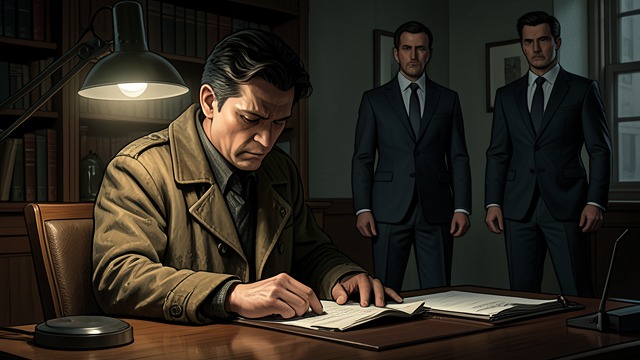
Barbara Crancer asked Sheeran to tell the Hoffa family what he knew, even in confidence. Sheeran did not cooperate at that point.
The FBI visit
Two agents later approached him, hoping age had softened his resistance. He again directed them to his lawyer, preserving the code while leaving the family without answers.
The Friends Who Spoke

Deathbed Confessions
Other men’s choices
Sheeran knew that John Francis and Lou Cordi had reportedly spoken while ill or near death. He did not condemn them, recognizing that pain and fear could lead a person to seek peace.
A personal distinction
He nevertheless worried that others would think he had gone soft if he spoke. His attitude reveals a code that allowed understanding of another man’s confession while forbidding his own.
The Wire and the Refusal
The Offer to Cooperate
A recorded question
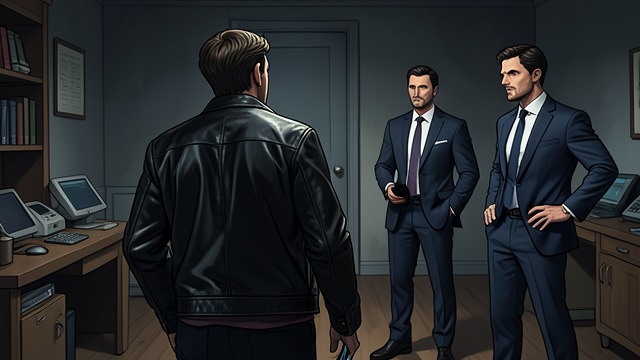
Charlie Allen, wired for the FBI, asked Sheeran whether he had killed Hoffa. Sheeran recognized the setup and left rather than making an incriminating statement.
No deal
Agents offered reduced time if he cooperated against associates. Sheeran refused, even as he faced lengthy prison sentences and threats to his safety.
Confession without Informing

A Narrow Opening
Speaking to Brandt
Sheeran eventually told Charles Brandt his version of Hoffa’s killing. He distinguished a confession to a trusted interviewer from informing to law enforcement.
The final position
He sought religious absolution and then affirmed the book on video. The distinction did not end debate about the code; it revealed how Sheeran could confess and still insist that he was not a rat.
Late 1950s
1995–2001
Late 1970s–1990s
Around 1980
1999–2003
